Kategorie: Deepfake – General, Technology
-
Deepfake Scams in the Workplace: Protecting Businesses from Fraud
Introduction: The Invisible Threat in the BoardroomIn the corporate landscape of March 20, 2025, where remote work and virtual meetings dominate, a sinister new threat looms: deepfake scams. Powered by artificial intelligence (AI), deepfakes—synthetic videos, voices, and images—have evolved from internet curiosities into sophisticated tools of deception, infiltrating workplaces with devastating consequences. Imagine a cloned…
-
The Role of Blockchain in Identity Verification Against Fakes
Introduction: A New Shield Against Digital DeceptionIn the digital landscape of March 20, 2025, where deepfakes and synthetic identities threaten trust at every turn, a revolutionary technology offers hope: blockchain. Once synonymous with cryptocurrencies like Bitcoin, blockchain has evolved into a cornerstone of cybersecurity, promising a tamper-proof foundation for identity verification. As AI-driven fakes—be they…
-
Biometric Security vs. Deepfakes: Can Your Face Still Be Trusted?
Introduction: The Fragile Frontier of Biometric TrustIn the digital age of March 20, 2025, biometric security—once heralded as the gold standard for identity verification—faces an existential challenge: deepfakes. Your face, voice, and even fingerprints, long considered unforgeable markers of self, are now replicable with alarming precision thanks to artificial intelligence (AI). From unlocking smartphones to…
-
Voice Spoofing: How Hackers Clone Voices and How to Stop Them
Introduction: The Silent Threat of Voice CloningIn the interconnected world of March 20, 2025, your voice—once a unique marker of identity—has become a double-edged sword. Advances in artificial intelligence (AI) have birthed voice cloning technology, enabling anyone with a few seconds of audio to replicate your speech with chilling accuracy. What was once a futuristic…
-
The Evolution of Deepfake Technology: Threats and Countermeasures
Introduction: The Rise of Synthetic MediaIn the digital landscape of March 20, 2025, deepfake technology has transcended its origins as a niche experiment to become a pervasive force in cybersecurity. What began as rudimentary face-swapping tools in the late 2010s has morphed into a sophisticated ecosystem driven by artificial intelligence (AI), capable of generating hyper-realistic…
-

Detecting Deepfakes: Cloned Voices and Lip Synchronization as Key Indicators
The identification of deepfakes in relation to cloned voices and lip synchronization is a critical component of modern analysis, especially as these technologies are increasingly exploited for fraudulent purposes. With advancements in artificial intelligence, deepfakes can mimic human speech and facial movements with alarming precision. However, subtle flaws in audio patterns and visual synchronization often…
-
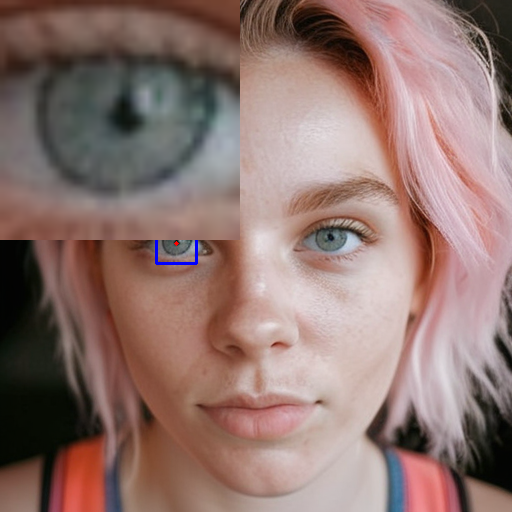
The Human Eye: A Complex Challenge for Deepfake Technology
The human eye is one of the most intricate and fascinating features of our face, serving not only as a window to our emotions but also as a critical marker in distinguishing authentic media from manipulated content. For deepfake technologies—AI-driven systems that create hyper-realistic yet fabricated images and videos—the eyes, particularly the iris and pupil,…
-
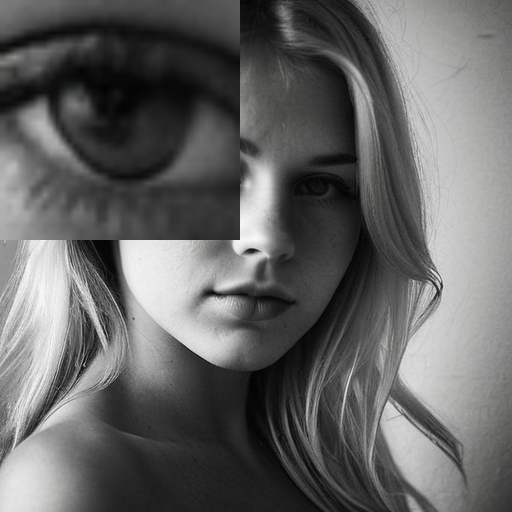
Deepfake Detection in Images
The manipulation of images through deepfake technology has fundamentally transformed the digital world, ushering in an era of both remarkable innovation and unprecedented challenges. What began as a niche tool for entertainment—think digitally resurrected actors in films or humorous face swaps—has evolved into a powerful instrument with far-reaching implications. Deepfakes can be used to spread…