The manipulation of images through deepfake technology has fundamentally transformed the digital world, ushering in an era of both remarkable innovation and unprecedented challenges. What began as a niche tool for entertainment—think digitally resurrected actors in films or humorous face swaps—has evolved into a powerful instrument with far-reaching implications. Deepfakes can be used to spread disinformation, manipulate public perception, commit identity theft, or even destabilize democratic processes by creating convincing but entirely fabricated content. As of March 20, 2025, the technology has become so sophisticated that distinguishing real from fake requires a keen eye, technical know-how, and sometimes specialized tools. This makes the ability to detect deepfakes in images not just a useful skill but a critical necessity in safeguarding trust online. Below, we dive deep into the visual characteristics and techniques that reveal manipulated images, explore real-world implications, and provide a wealth of resources to empower you in this digital arms race.
Asynchronies in Lighting
Lighting is a cornerstone of photographic realism, and it’s one of the toughest challenges for deepfake algorithms to master. Even advanced models often leave subtle but detectable clues.
- Uneven Light Sources: Deepfake systems may fail to distribute light naturally across a face. For example, a cheek might be brightly lit while the forehead remains in shadow, defying the logic of a single light source. This happens because AI struggles to interpret environmental lighting conditions holistically. Learn more about lighting inconsistencies: https://www.media.mit.edu/projects/detect-fakes/overview/
- Shadow Errors: Shadows are another giveaway. In a genuine photo, shadows align with the light source—say, a lamp to the left casts a shadow to the right. In deepfakes, shadow angles might be off, or shadows might appear where none should exist. A classic case is a shadow on the neck that contradicts overhead lighting. Tutorial on shadow forensics: https://fotoforensics.com/tutorial.php
- Specular Highlights: These are the tiny glints of light on shiny surfaces like eyes or wet lips. In real images, they’re consistent with the light source; in deepfakes, they might be misplaced or missing, as AI often overlooks such micro-details. Research on this: https://www.nature.com/articles/s41598-023-31245-6
Practical Tip: Examine the direction and intensity of light across the entire image—face, hair, background. If they don’t tell a cohesive story, you’re likely looking at a fake.
Eyes and Reflections
Eyes are a focal point of human interaction, and deepfake algorithms often betray their artificial nature here.
- Unnatural Eye Movements: In still images, deepfake eyes might appear unnaturally static or misaligned. For instance, one eye might gaze slightly off-center while the other stares straight ahead—an asymmetry that feels off. In videos, the movement might lack the subtle blinks or saccades (tiny shifts) of real eyes. Video analysis guide: https://www.youtube.com/watch?v=TIzRt-iXJUM
- Reflections in the Eyes: Human eyes act like mirrors, reflecting light sources or nearby objects. In a real photo, you might see a window or camera flash in the pupils. Deepfakes often miss this, either omitting reflections or rendering them inconsistently—say, a reflection in one eye but not the other. Study on eye reflections: https://arxiv.org/abs/2404.16212
- Pupil Irregularities: Real pupils dilate or contract based on light conditions. Deepfake pupils might appear fixed or oddly shaped, a flaw stemming from incomplete training data. More on this: https://www.frontiersin.org/articles/10.3389/fpsyg.2022.863897/full
Example: A deepfake of Barack Obama circulating in 2023 showed eyes with no reflection of the room’s lighting, a stark contrast to authentic photos taken in the same setting. Case study: https://www.wired.com/story/deepfake-celebrity-case-study/
Practical Tip: Zoom into the eyes. Look for reflections and subtle movements (or lack thereof). If they don’t match the scene, suspect manipulation.
Textures and Skin Details
Human skin is a marvel of complexity—pores, fine lines, blemishes—and deepfakes often oversimplify or overcomplicate it.
- Unrealistic Skin Textures: AI might produce skin that’s too smooth, resembling a plastic mannequin, or unevenly patchy, with strange transitions between tones. Real skin has imperfections; deepfake skin might lack them or exaggerate them unnaturally. Guide to texture analysis: https://www.sensity.ai/blog/skin-texture-analysis/
- Inconsistencies with Scars or Moles: Unique identifiers like scars, moles, or freckles are tough for AI to replicate accurately. They might appear in the wrong spot, look smudged, or vanish entirely between frames in a video deepfake. Forensic research: https://www.sciencedirect.com/science/article/pii/S266628172200012X
- Blending Issues: Where the fake face meets the real neck or ears, you might notice a seam—like a mask that doesn’t quite fit. This is especially common in older deepfake models. More details: https://www.unite.ai/deepfake-detection-challenges/
Practical Tip: Use a magnifying tool (digital or literal) to inspect skin at close range. If it looks like a filter gone wrong, it’s likely manipulated.
Hair and Edge Issues
Hair’s chaotic, organic nature makes it a nightmare for AI to render convincingly.
- Errors at Hairlines: The junction of hair and face in deepfakes often looks blurry, pixelated, or artificially sharp. Strands might merge into clumps rather than flowing naturally. Research on hair rendering: https://github.com/Daisy-Zhang/Awesome-Deepfakes-Detection
- Object Edges: Beyond hair, the edges of the face against the background can reveal glitches—a faint outline, a “halo” effect, or visible warping where the AI stitched the fake face onto a real body. Edge detection techniques: https://www.intel.com/content/www/us/en/developer/articles/technical/fakecatcher-deepfake-detection.html
- Background Inconsistencies: The background might not align with the foreground—e.g., a person’s hair blowing in the wind while trees behind them stay still. Analysis tool: https://www.forensically.github.io/
Example: A 2024 deepfake of a European politician showed a jagged hairline and a distorted edge around the jaw, starkly visible against a smooth backdrop. News report: https://www.bbc.com/news/technology-59249190
Practical Tip: Trace the outline of the head with your eyes. If it feels like a cutout pasted onto the scene, it probably is.
Artifacts and Pixelation Errors
Digital artifacts are the fingerprints of manipulation, especially under scrutiny.
- Irregularities at High Magnification: Zoom in on a deepfake, and you might see blocky patches, pixelated transitions, or compression artifacts—especially around detailed areas like lips, teeth, or eyebrows. Free detection tool: https://deepware.ai/
- Color Differences: AI sometimes fails at seamless color blending, leaving subtle mismatches—like a chin that’s slightly paler than the cheeks or a neck with an odd reddish tint. Color theory in forensics: https://www.unite.ai/top-tools-techniques-deepfake-detection/
- Noise Patterns: Real photos have consistent digital noise from the camera sensor. Deepfakes might show inconsistent noise or none at all, a sign of artificial generation. Learn more: https://www.kaspersky.com/resource-center/threats/deepfakes
Practical Tip: Open the image in software like Photoshop or GIMP and crank up the contrast. Artifacts will leap out.
Inconsistency in Facial Features
The human face is a delicate balance of symmetry and emotion, and deepfakes often disrupt this harmony.
- Symmetry Errors: While no one’s face is perfectly symmetrical, deepfakes might overcorrect or distort this balance—e.g., one ear higher than the other or an uneven jawline with no natural explanation. Scientific study: https://www.pnas.org/doi/10.1073/pnas.2305016120
- Emotional Inconsistency: A fake smile might not reach the eyes, or a furrowed brow might clash with a neutral mouth. Humans express emotions holistically; deepfakes often don’t. Emotional analysis tools: https://socradar.io/top-10-ai-deepfake-detection-tools/
- Morphing Artifacts: In video deepfakes, facial features might subtly “warp” during transitions—like a nose briefly widening—due to frame-by-frame inconsistencies. Guide to spotting this: https://www.checkpoint.com/cyber-hub/threat-intelligence/what-are-deepfakes/
Example: A deepfake of a CEO announcing layoffs showed a grin that didn’t match the somber context, tipping off viewers. Viral case: https://www.theguardian.com/technology/2023/deepfake-world-leader-example
Tools and Resources for Detection
You don’t have to rely on your eyes alone—technology and communities can help.
- Forensic Software: FotoForensics analyzes EXIF data and highlights manipulation artifacts. https://fotoforensics.com/
- AI Detectors: Deepware Scanner uses machine learning to flag deepfakes with high accuracy. https://deepware.ai/
- Expert Communities: Reddit’s r/deepfakes and r/AIDetection forums share tips and dissect new fakes. https://www.reddit.com/r/deepfakes/
- Browser Extensions: Tools like “Fake Image Detector” scan images in real-time. https://chrome.google.com/webstore/detail/fake-image-detector/
- Academic Resources: MIT’s Detect Fakes project offers cutting-edge insights. https://www.media.mit.edu/projects/detect-fakes/
Real-World Examples
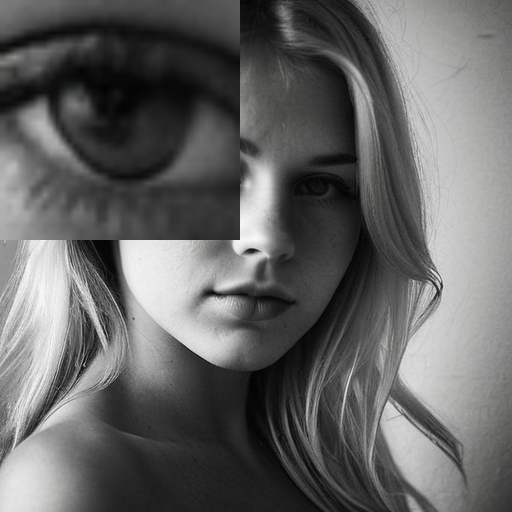
- Johannes Wobus – No Deepfake: Shot by Axel Schneegaß with analog techniques, this image boasts natural lighting and texture, untouched by AI. Analog photography basics: https://www.lomography.com/about/analog
- Tom Cruise Deepfake: A 2021 TikTok deepfake of Tom Cruise fooled millions but revealed uneven lighting and pixelated edges on close inspection. Breakdown: https://www.vox.com/culture/2021/3/4/22312232/tom-cruise-deepfake-tiktok
- Ukrainian Conflict Deepfake: A 2022 fake video of Volodymyr Zelenskyy surrendering showed warped facial features and inconsistent shadows, debunked within hours. Analysis: https://www.npr.org/2022/03/16/deepfake-zelenskyy-ukraine
Why It Matters
Deepfakes aren’t just a tech curiosity—they’re a societal challenge. A fake video of a politician admitting corruption could sway an election. A doctored image of a CEO could tank a company’s stock. In 2024 alone, deepfakes were linked to $500 million in fraud losses globally, per Interpol. https://www.interpol.int/News-and-Events/News/2024/AI-driven-crime Meanwhile, platforms like X are flooded with AI-generated misinformation, amplifying the need for detection skills. By mastering these techniques, you’re not just protecting yourself—you’re helping preserve truth in a post-truth world.
Next Steps
Practice: Test your skills with sample deepfakes at https://detectfakes.media.mit.edu/
Educate Yourself: Take a course on digital forensics. https://www.coursera.org/learn/digital-forensics-essentials
Stay Updated: Follow X accounts like @DeepfakeWatch for the latest trends. https://x.com/DeepfakeWatch
Johannes Wobus – Nonm Deepfake (Axel Schneegaß, Analog).



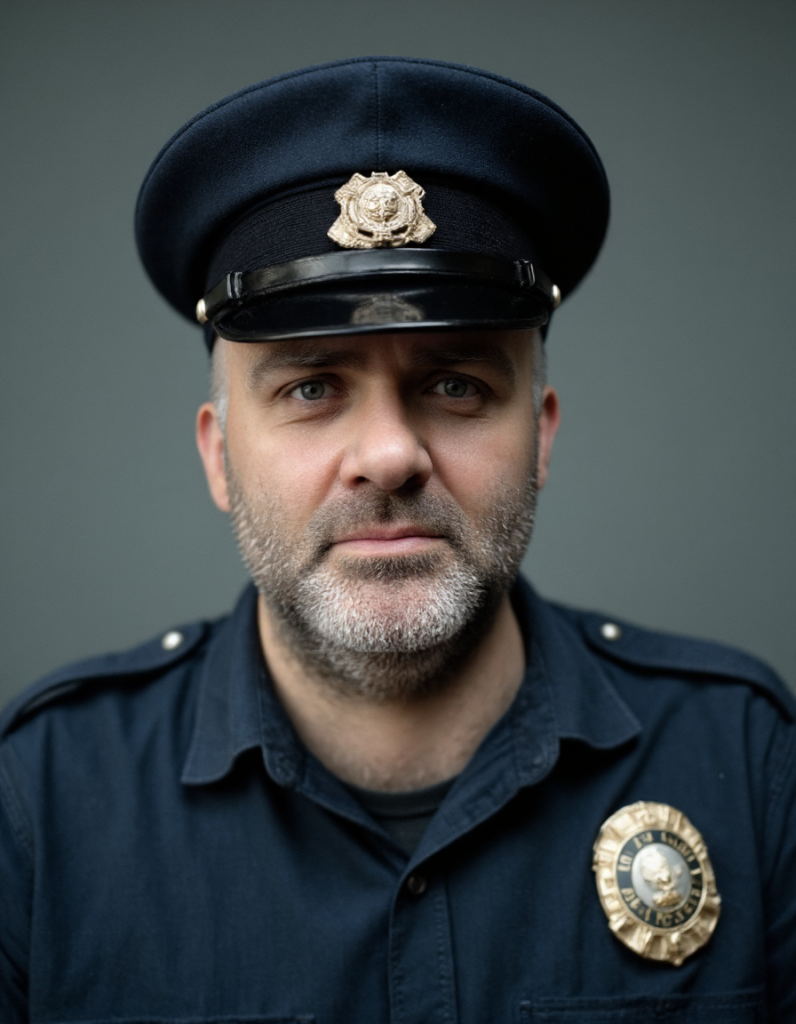
Johannes Wobus – Deepfake (FLUX)


Schreiben Sie einen Kommentar