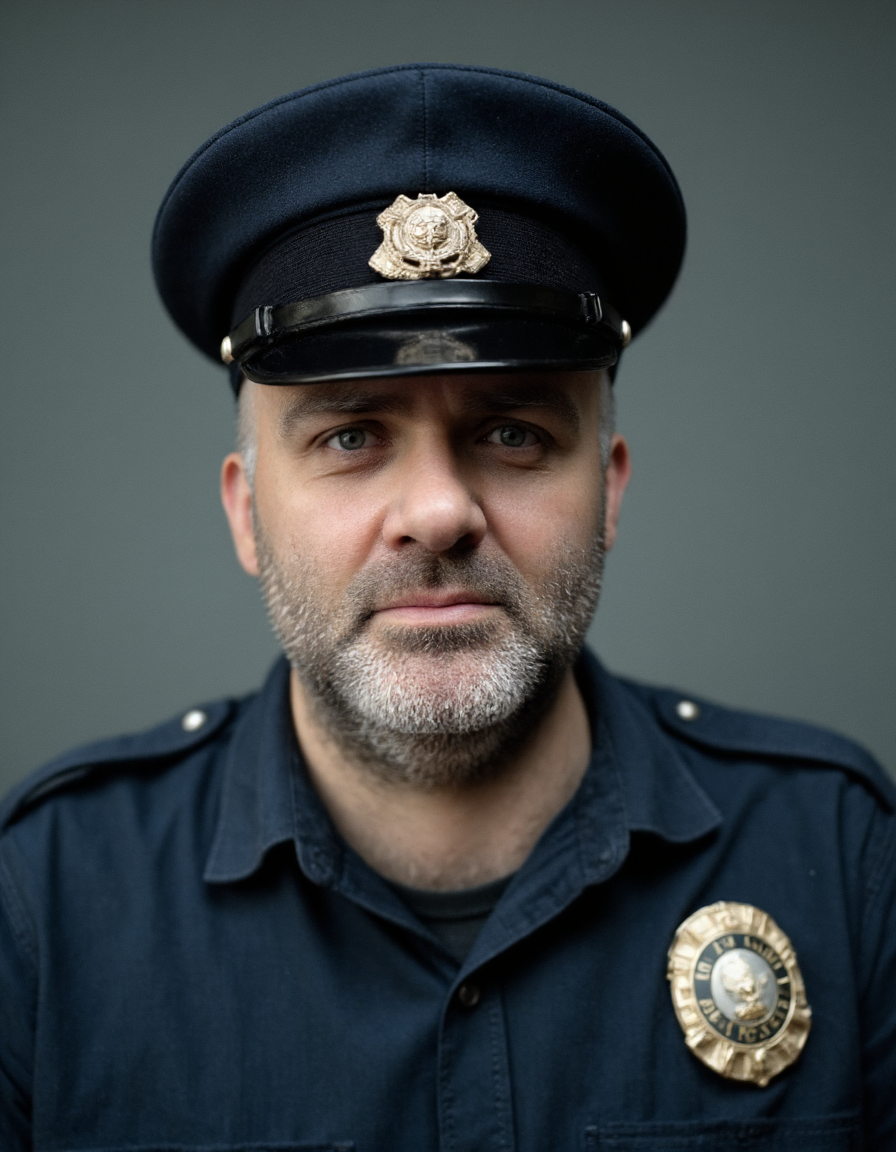
The identification of deepfakes in relation to cloned voices and lip synchronization is a critical component of modern analysis, especially as these technologies are increasingly exploited for fraudulent purposes. With advancements in artificial intelligence, deepfakes can mimic human speech and facial movements with alarming precision. However, subtle flaws in audio patterns and visual synchronization often betray their synthetic nature. This section explores how cloned voices and lip synchronization serve as vital clues in unmasking deepfakes, supported by cutting-edge detection methods.
Cloned Voices: The Art of Audio Imitation
Voice cloning technology leverages artificial intelligence to replicate a person’s voice with stunning accuracy. By analyzing a real individual’s speech patterns—pitch, cadence, and timbre—AI models, often built using systems like WaveNet from DeepMind, generate a synthetic voice capable of reading any text in that person’s likeness. Companies like Descript’s Overdub showcase this capability for legitimate uses, such as podcast editing, but the same tech powers malicious deepfakes. While these cloned voices can sound eerily authentic, several telltale signs point to their artificial origins:
Unnatural Pauses and Emphasis
Human speech flows with natural pauses and stresses that reflect emotion and intent, as explained in this linguistic analysis of prosody. Cloned voices, however, often struggle to replicate this nuance. AI-generated audio may insert awkward pauses or misplace emphasis, creating a robotic or stilted effect. Research from MIT’s Computer Science and Artificial Intelligence Laboratory highlights how these inconsistencies differentiate synthetic speech from genuine recordings.
Lack of Variation
A human speaker naturally varies pitch, tempo, and volume based on context—a phenomenon detailed in this study on speech dynamics. Cloned voices, by contrast, often lack this diversity, producing a monotone delivery that feels flat or repetitive. Tools like Praat, a phonetics analysis software, can quantify these differences by measuring pitch contours and tempo shifts.
Digital Artifacts
Synthetic audio frequently contains digital artifacts—subtle glitches or distortions that arise during generation. These might manifest as faint background noise, metallic echoes, or unnatural frequency spikes. Forensic audio experts, using platforms like iZotope RX, can isolate these artifacts to confirm a voice’s artificial source. A BBC article on voice cloning scams cites such imperfections as key evidence in fraud detection.
Lip Synchronization: Visual Cues of Manipulation
Lip synchronization, or the alignment of spoken words with mouth movements, is another cornerstone of deepfake detection. Even when a video appears technically flawless and includes a cloned voice, discrepancies between audio and lip motion often reveal tampering. This aspect is critical because humans instinctively notice when speech and visuals don’t align, as explored in this psychology study on audiovisual integration. Here are common issues in deepfake lip synchronization:
Mismatched Timing
In authentic videos, lip movements precisely match the audio, a process governed by muscle coordination (see this anatomy of speech production). Deepfakes, however, may exhibit slight delays or misalignments—lips closing too late or opening too early—especially during rapid speech. Research from UC Berkeley demonstrates how AI detection tools exploit these timing errors.
Unrealistic Movements
Synthetic lip movements can appear unnatural, particularly with complex or fast-paced dialogue. Deepfake algorithms, such as those in Faceswap, sometimes over-simplify lip motion, resulting in stiff or exaggerated gestures. A Wired article on deepfake flaws notes that these anomalies become glaring during emotional or rapid speech sequences.
Micro-Errors in Tongue and Jaw
Subtle errors in tongue positioning or jaw motion—barely perceptible to the naked eye—also betray deepfakes. For instance, the tongue might not align with certain phonemes (like “th” or “l”), or the jaw might move unnaturally. Specialized software, such as Adobe After Effects with tracking plugins, can magnify these micro-errors for analysis, as outlined in this forensic video guide.
Combining Cloned Voices and Lip Sync for Detection
By integrating the analysis of cloned voices and lip synchronization, deepfake detection becomes significantly more robust. AI-powered tools play a pivotal role, dissecting both audio and visual elements to uncover inconsistencies. Platforms like Sensity and Deepware Scanner scan for audio artifacts and lip-sync discrepancies simultaneously, while academic efforts, such as DARPA’s MediFor program, push the boundaries of automated detection. These tools analyze discrete details—pitch irregularities, timing lags, and unnatural movements—to expose manipulations effectively.
Conclusion: A Dual Approach to Combat Deepfakes
As deepfake technology advances, driven by innovations like NVIDIA’s StyleGAN, the interplay of cloned voices and lip synchronization remains a weak link. By focusing on unnatural audio patterns and visual misalignments, researchers and tools can thwart fraudulent uses, from scams to misinformation campaigns. This dual approach underscores the importance of interdisciplinary analysis—combining audio forensics with visual scrutiny—to safeguard digital trust.
Das Deepfake wurde mit dem Generator „Hedra“ aufgesetzt.
Schreiben Sie einen Kommentar